
Quick Answer
Local SEO pricing in 2027 is set by scope, not by a standard package price. What you pay depends on how many locations you have, how competitive your area and category are, how much of the profile, citation, review, and content work is actually included, and whether the provider reports on calls, bookings, and direction requests or only on rankings. A single-location business in a quiet category and a multi-location franchise in a contested city are not the same engagement, and any quote that prices them alike has not scoped the work. Judge every proposal by the same test: does it name the deliverables for each month, the person doing the work, and the outcome it will be measured against? If it cannot answer those three questions in writing, the price — high or low — tells you nothing.
What Has Actually Changed About Local SEO Pricing by 2027
Three shifts have repriced local SEO work in the last two years, and most price lists still circulating online were written before them.
AI answers now intermediate the local click. Google’s AI Overviews and AI Mode summarise local options directly on the results page for a growing share of question-style searches. Ranking in the map pack is no longer the whole job — the business’s facts have to be consistent and specific enough for an AI answer to quote: real services, real hours, real areas served, real review evidence. That means profile completeness, structured data, and review content are baseline work, not add-ons. The system behind this is set out in what local SEO is and how local search works.
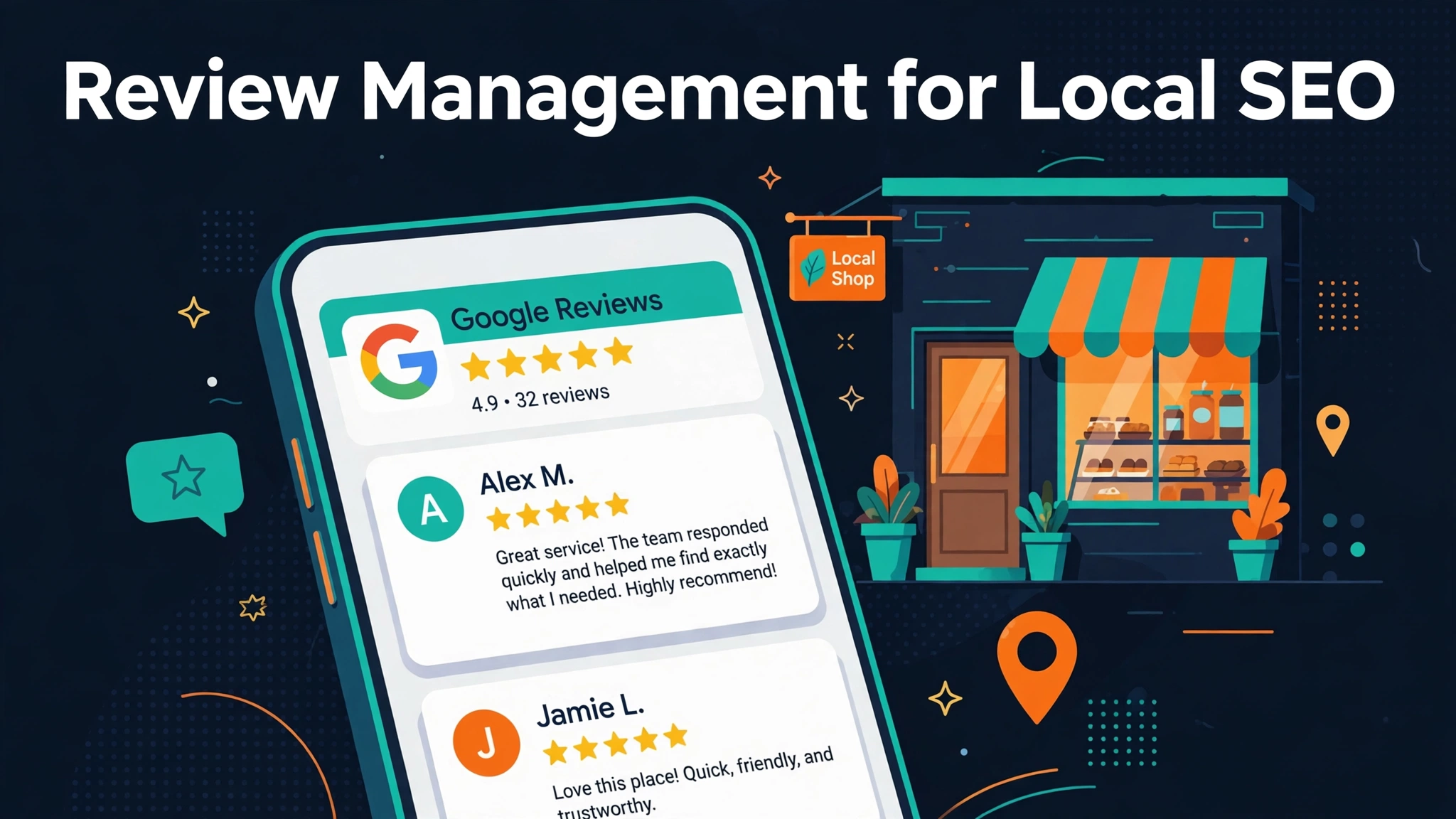
Review and citation work became ongoing operations, not one-time setups. Google removes reviews in waves, including genuine ones, and citation data decays as directories change, businesses move, and aggregators refresh. A profile optimised once and left alone loses prominence month by month. Honest quotes now price review generation and reply systems, citation monitoring, and profile maintenance as recurring work — because that is what they are. The operational detail is in the review management guide and the local citation building guide for 2027.
Reporting moved from rankings to revenue-adjacent outcomes. A quote that promises a map-pack position without naming how calls, bookings, and direction requests will be tracked is selling a vanity metric. The work that justifies a retainer in 2027 is measurable: profile actions, call volume from the profile, booked appointments, and the search terms that produced them. Providers who cannot show that reporting in a sample report before you sign are asking you to pay for trust instead of evidence. Google’s own framing of the local factors — proximity, relevance, and prominence — is the anchor for all of it: how Google ranks local results.
The Six Pricing Drivers: What You Are Actually Paying For
Every local SEO quote is some combination of these six drivers. When a proposal seems expensive — or suspiciously cheap — check which drivers it covers and which it quietly skips.
1. Number of locations and service areas
Why it moves the price: Each location is a profile, a citation set, a review stream, and a set of location pages to maintain. Ten locations are not ten times the work of one — there are shared systems — but they are substantially more work than one, and service-area businesses add a second dimension: every area claimed has to be genuinely served and honestly represented, or the profile invites suspension and complaints.
What to ask: Is the quote priced per location, per service area, or as a flat programme? What is included for each additional location, and what is shared? A flat price that never mentions location count has not been scoped.
How to keep it in check: Start with the locations that produce revenue, and sequence the rest. A good proposal phases location rollout by demand rather than optimising every location at once and maintaining none of them well.
2. Category and area competitiveness
Why it moves the price: A driving school in a dense city, a dental clinic in a contested suburb, and a niche trade in a small town face completely different map-pack competition. Competitiveness decides how much review velocity, citation depth, content, and link-earning the engagement needs before it moves at all. The same monthly effort that wins in a quiet market is invisible in a contested one.
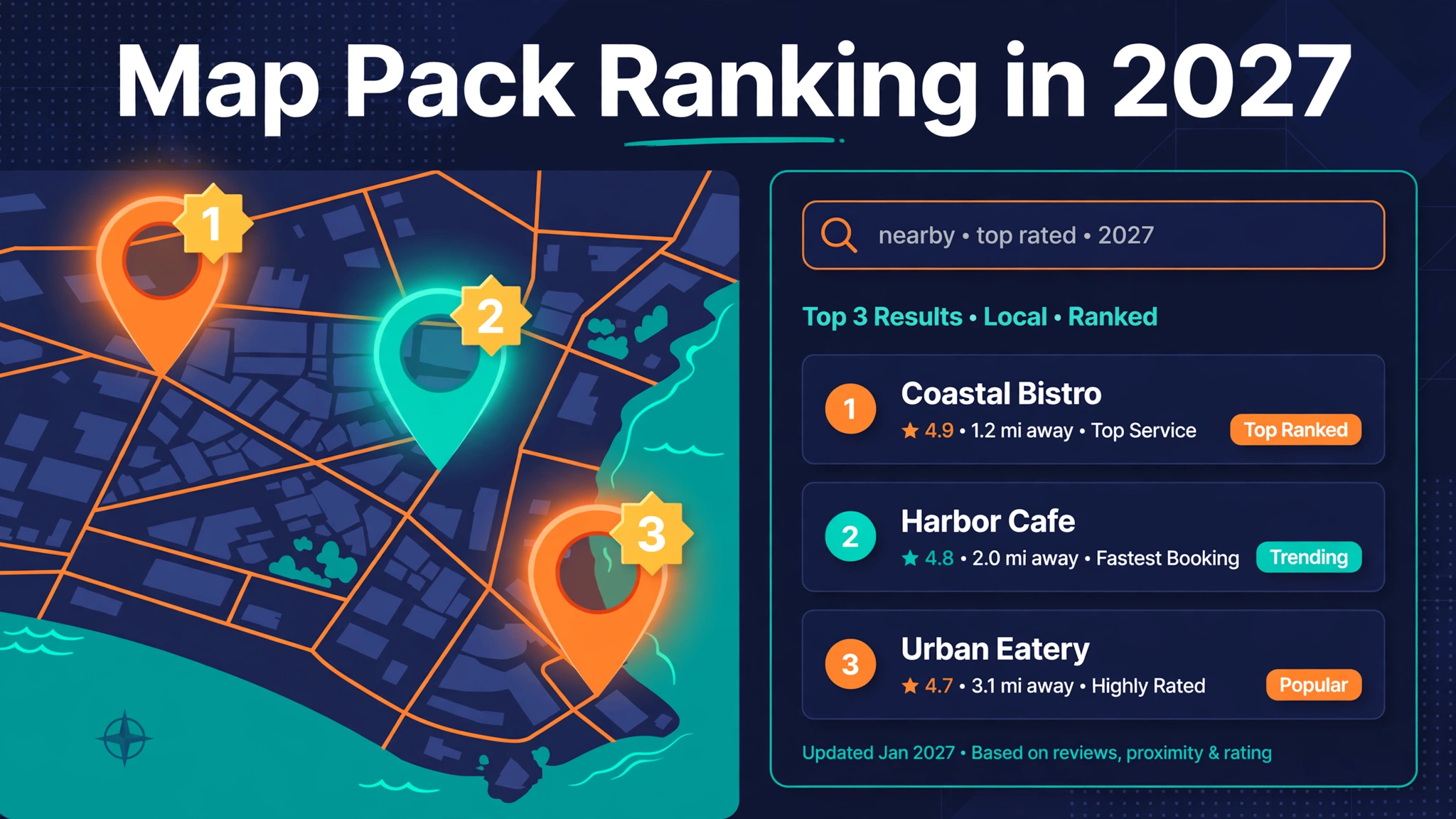
What to ask: Has the provider audited the actual competitors in your category and area — their review counts and recency, their citation profiles, their content — or is the quote based on a generic package? The Map Pack ranking guide shows why proximity, relevance, and prominence combine differently in every market.
How to keep it in check: Ask for the competitor audit in writing before the quote is finalised. If the provider cannot name your three strongest map-pack competitors and what they do better than you, the price is a guess.
3. Profile, citation, and review operations
Why it moves the price: This is the recurring core of local SEO: keeping the profile complete and accurate, auditing and correcting citations, generating and replying to reviews, and posting regularly. It is daily or weekly work done well, and it is the work most often quietly dropped from cheap retainers after the first month. A one-time profile setup followed by silence is not a local SEO programme; it is a setup fee wearing a retainer’s clothes.
What to ask: How many review replies, posts, and citation checks are included each month, and who does them? What happens when Google removes reviews or a citation changes? The Google Business Profile optimization checklist for 2027 is a useful scope checklist: run any proposal against it line by line.
How to keep it in check: Require the monthly operations list in the contract, with counts. “Ongoing optimisation” without counts is not a deliverable.
4. Content velocity and location pages
Why it moves the price: Location and service content — pages and posts that prove the business serves an area, answers local questions, and earns citations — has to be original, specific, and maintained. Thin location pages duplicated across areas with the town name swapped are a spam risk, not an asset. Real location content takes research, writing, and internal linking, and its cost scales with the number of areas and services covered.
What to ask: How many pages or posts per month, written by whom, to what quality bar, and reviewed how? Ask to see a sample location page before signing. If the provider cannot show one, the content line in the quote is unpriced hope.
How to keep it in check: Prioritise by revenue: top services and top areas first, long tail later. A proposal that sequences content by business impact is scoped; one that promises every area at once is not.
5. Links, mentions, and authority
Why it moves the price: Local prominence also comes from being mentioned and linked by real local and niche sources — chambers, local press, industry bodies, community pages. Earning those mentions takes outreach and relationship work over months. This is also the line item most likely to be faked: cheap directory blasts and paid link packages create citation noise and penalty risk, and cleaning them up costs more than earning real mentions would have.
What to ask: What is the method for earning mentions — which sources, what outreach, what success looks like in a quarter? “Fifty links a month” is a warning, not a deliverable. Method, sources, and examples are the answer.
How to keep it in check: Separate citation work (consistency of business facts) from link-earning work (authority) in the quote. They are different jobs with different costs, and bundling them hides which one is actually being done.
6. Reporting, analytics, and access
Why it moves the price: Proper reporting takes time: profile insights, Search Console data, call and booking tracking, and a monthly narrative that connects activity to outcomes. It also requires access discipline — the business keeps ownership of its profile, website, and analytics, and the provider works as a manager, not an owner. Cheap quotes often skip reporting entirely, which is how a business pays for a year without ever knowing what worked.
What to ask: What does a monthly report contain, how often does it arrive, and who owns the accounts? Ask for a redacted sample report. If reporting is “available on request,” it will not arrive.
How to keep it in check: Tie the retainer review to the report: every quarter, the report should justify the next quarter. No report, no renewal conversation — that rule alone filters out most bad engagements.
Scope Tiers: How to Compare Quotes Without a Price List
No responsible guide can give you a single price for local SEO, because the drivers above move it too far. What you can compare, quote by quote, is scope. The table below is a comparison framework — use it to place any proposal you receive, and to see what a lower price is leaving out.
| Engagement shape | Typical scope | Right for |
|---|---|---|
| Single location, quiet market | One profile fully optimised and maintained; core citations audited; review request and reply system; monthly posts; basic reporting | One premises or service area, low map-pack competition, owner-led business |
| Single location, contested market | Everything above, plus higher review velocity, deeper citation and mention work, location and service content each month, competitor monitoring | Dense city or popular category where the map pack is fought over daily |
| Multi-location / service-area business | Per-location profiles and citation sets, shared systems for reviews and posts, location pages per area, phased rollout, consolidated reporting | Several branches, franchises, or a service area covering many towns |
| One-off audit and setup | Full audit, profile rebuild, citation correction, review system design, handover documentation — no ongoing retainer | A business with in-house capacity to run the system after setup |
For Bangladesh-specific cost context, including monthly price tiers in taka, see the SEO cost guide for Bangladesh in 2027. International quotes are scope-priced rather than package-priced: ask for a written scope against the six drivers above, and compare scopes, not headline prices. For a scope-priced quote on your own business, the quote page is the route — a quote follows an audit of your locations, category, and competitors, not a price list.
Red Flags in a Local SEO Proposal
- Guaranteed map-pack position or timeline. No provider controls proximity, competitor behaviour, or Google’s review removals. A guarantee is either ignorance or a promise to use tactics that risk suspension.
- Bulk citations or bulk links as the headline. Hundreds of listings or links in the first month is noise, not prominence. Consistency in the right places beats volume in the wrong ones, and bulk blasts create cleanup work.
- Fake or incentivised reviews. Any proposal that mentions review generation without a clear no-incentive, no-filter, no-script rule is a suspension risk. Reviews are the one asset a business cannot afford to lose in a wave.
- No named deliverables. “Ongoing optimisation,” “monthly SEO,” or “full local SEO” without counts, owners, and dates is not a scope. It is permission to do nothing measurably.
- Provider owns the profile or the website. The business must retain ownership of its Google Business Profile, domain, and analytics. A provider who insists on ownership is building leverage, not local SEO.
- Rankings-only reporting. A monthly screenshot of positions, with no profile actions, calls, bookings, or search-term data, hides whether the work produced customers.
- Price set before audit. A firm retainer quoted before anyone has looked at your profile, citations, reviews, and competitors is a package price, not a scoped price. It will be wrong in one direction or the other.
When You Are Ready to Move Forward
Before you sign anything, run the three-question test on the proposal in front of you: what exactly will be delivered each month, who will do it, and what outcome will it be measured against? Then ask for the competitor audit, a sample report, and a sample location page. If those three arrive promptly and honestly, the price conversation becomes straightforward — you are comparing a defined scope against your revenue from local search. If they do not arrive, no price is low enough, because you are buying a promise with no way to check it.
Tanveer Evan Rahat provides local SEO for businesses in Bangladesh and internationally, priced by scope after an audit of the profile, citations, reviews, and competitors — including the daily review and profile operations behind a 500-review UK driving-school profile. Explore the local SEO services to see the full system, or request a scope-priced quote when you are ready to compare a defined plan against your own local market.
FAQ
How much does local SEO cost per month in 2027?
There is no responsible single figure. Cost is set by location count, area and category competitiveness, the depth of profile, citation, review, and content operations, and the reporting included. Compare written scopes against the six drivers in this post, and treat any firm price quoted before an audit as a package guess, not a scoped quote.
Is a cheap local SEO package worth it?
Almost never, for an arithmetic reason: real local SEO needs ongoing profile, citation, review, and content work, and a very low monthly fee buys roughly none of it at professional quality. What it usually buys is a one-time setup, automated reports, and bulk listings — the last of which is an active risk. If the budget is small, spend it on a one-time audit and setup, then run the system in-house.
Should I pay per location or a flat monthly fee?
Per-location pricing is more honest when locations differ in competitiveness and workload, because it forces the provider to scope each one. A flat fee can work when locations share systems and the scope per location is written down. Either way, the contract should state what each location gets each month — flat or per-location, unnamed scope is the problem, not the pricing model.
How long before local SEO shows results?
Profile and citation fixes can improve visibility within weeks; review-driven prominence and content-driven relevance build over months. There is no fixed timeline, and a provider promising a map-pack position by a date is guessing about factors it does not control. Judge progress by profile actions, calls, and bookings in the monthly report, not by a single ranking screenshot.
What should a monthly local SEO report contain?
At minimum: profile views, calls, direction requests, and website clicks from the profile; new reviews and replies posted; citations checked or corrected; content published; and the search terms driving profile discovery. A report without customer actions is a report about the provider’s activity, not your business.
Can I do local SEO myself instead of hiring someone?
Yes, for a single location in a quiet market, if you can sustain the weekly operations — profile maintenance, review requests and replies, posts, and citation checks. The audit-and-setup engagement exists for exactly this case: a professional scope and system, run in-house afterwards. Multi-location or contested markets usually need dedicated capacity, in-house or external, because the operations do not pause.